Excellent Siding Services for Your Home Transformation
Starting a home renovation often starts with its outer appearance. Premium siding services offer an important role in enhancing both appearance and practicality. Those owning homes encounter a variety of options, from vinyl to fiber cement. Each option has unique benefits and issues. Understanding these details is crucial to making an well-informed decision. The impact of siding choice extends beyond looks. What elements should be considered to guarantee durability value and function?
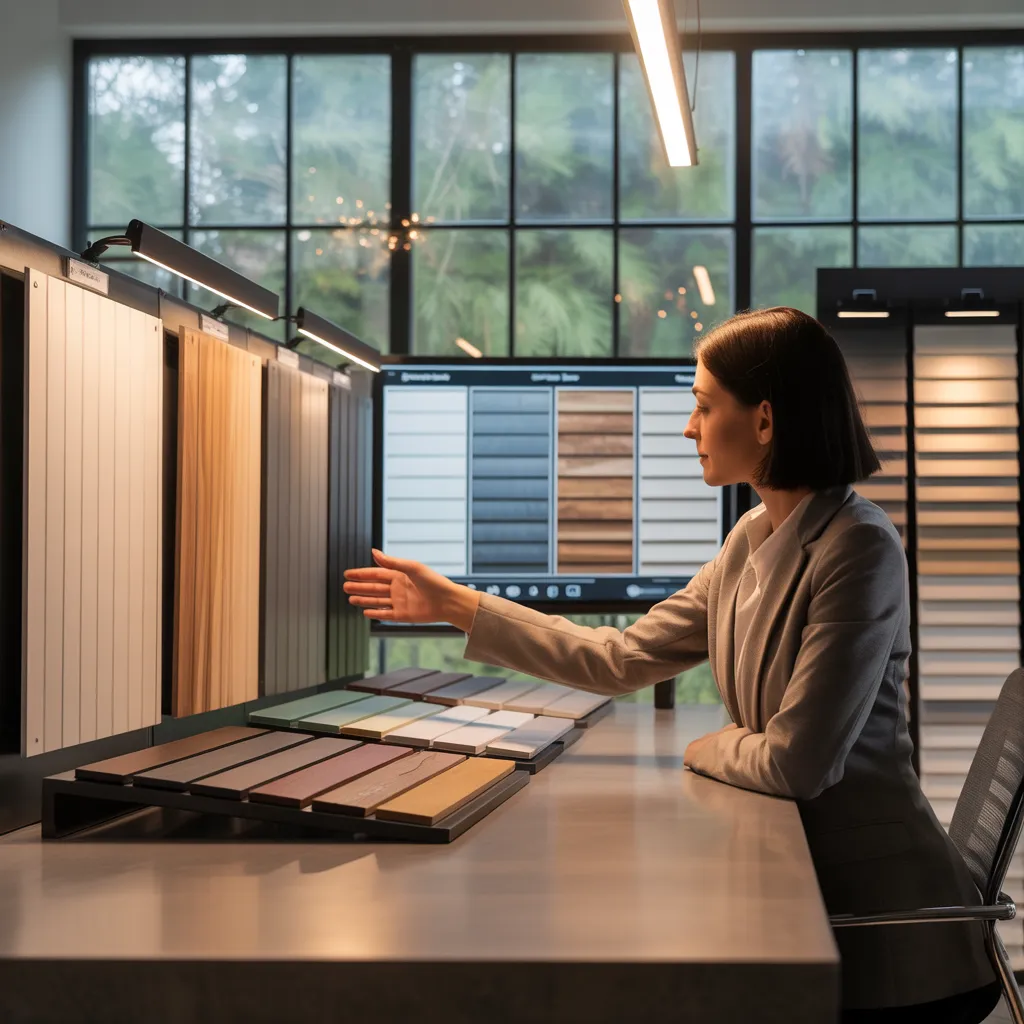
Experienced Siding Matters for Your Home
Why is quality siding important for a house? The quality of siding significantly affects a home's aesthetic appeal, thermal performance, and structural integrity. Expert installation ensures that the siding is installed properly, minimizing the risk of water damage, mold growth, and insect problems. Furthermore, professional siding work often come with guarantees that safeguard the homeowner's investment, offering peace of mind against future issues.
Additionally, experts possess the competence to manage different materials and local building codes, guaranteeing following and durability. Proper siding can further increase a home’s market value, making it more attractive to potential buyers. In contrast, DIY installations may lead to costly errors and inferior results. As a result, investing in professional siding is essential for maintaining a home’s beauty and functionality, ultimately contributing to a safer and more comfortable living environment.
Investigating Multiple Siding Solutions: Which One Is Right for You?
When examining siding options, homeowners confront a range of materials, each delivering unique advantages. Vinyl siding is recognized for its affordability and low maintenance, while wood siding offers classic aesthetics that improve curb appeal. Meanwhile, fiber cement excels for its exceptional durability and resistance to the elements, making it a practical choice for many.
Vinyl Siding Advantages
Although homeowners often encounter a myriad of choices when choosing siding materials, vinyl siding stands out due to its distinct blend of longevity and low maintenance. This material is protected from rot, pests, and harsh weather, making it an excellent option for various climates. In addition, vinyl siding comes in an broad selection of colors and styles, providing versatility in design without the need for frequent repainting. Its cost-effectiveness compared to other siding options makes it accessible for many homeowners, while a simple maintenance routine guarantees it remains visually appealing over time. Moreover, vinyl siding contributes to thermal performance, helping to reduce heating and cooling costs. Overall, these benefits position vinyl siding as a compelling choice for home revamps.
Wooden Siding Design
While vinyl siding provides functionality, wood siding captivates with its natural beauty and enduring elegance. The rich textures and warm tones of wood create an inviting atmosphere, enhancing a home's exterior attractiveness. Offered in various species, like cedar, pine, and redwood, wood siding enables homeowners to customize their aesthetic preferences. Its versatility can enhance different design aesthetics, from country homes to contemporary architecture. Furthermore, wood siding can be painted or stained to achieve the desired look, allowing further customization. However, the distinctive wood grain and natural color variation offer a one-of-a-kind character that artificial alternatives typically do not possess. Consequently, wood siding remains a popular choice for those pursuing an sophisticated, natural look for their homes.
Fiber Cement Performance
Fiber cement siding is known for its outstanding durability, making it a strong contender in the home exterior market. Made from a combination of cement, sand, and cellulose fibers, it guards against rot, warping, and insect damage. Unlike wood, fiber cement does not fall victim to moisture-related problems, ensuring long-lasting performance even in difficult climates. Its resistance to fading and cracking also improves its longevity, requiring minimal upkeep over the years. Moreover, it can be painted in a variety of colors, allowing homeowners to modify aesthetics without reducing durability. This mix of strength and flexibility makes fiber cement siding a perfect pick for those wanting both form and function in their home improvement projects.
How Siding Reinforces Energy Efficiency and Comfort
Siding serves as an critical role in enhancing a home's power conservation and coziness. Its thermal resistance capabilities can significantly decrease heat loss, while advanced air leakage prevention techniques help preserve a consistent indoor environment. As a result, homeowners can experience lower energy bills and improved overall comfort.
Insulation Properties of Siding
A properly insulated home can greatly enhance both energy savings and comfort. Siding is crucial in achieving this by adding an extra layer of insulation. Various siding materials, such as insulated vinyl or fiber cement, are designed to reduce heat transfer, keeping homes warmer in winter and cooler in summer. This thermal barrier reduces the workload on heating and cooling systems, leading to lower energy bills. In addition, the insulation properties of siding contribute to a more stable indoor climate, enhancing overall comfort. By choosing high-quality siding with excellent insulation, homeowners can enjoy a more energy-efficient residence while also gaining improved noise reduction and durability. These factors make siding a valuable investment in home improvement.
Reliable Strategies to Prevent Air Leakage encompass key techniques
Reducing air leakage is indispensable for optimizing energy efficiency and comfort throughout a dwelling. Appropriate siding installation matters greatly in this process. High-quality siding selections, such as fiber cement or vinyl, commonly showcase interlocking designs that eliminate gaps, cutting the potential for air infiltration. Moreover, utilizing efficient sealing practices, like caulking and weather stripping, supports the defenses against unwanted drafts. Insulation situated behind the siding also aids meaningfully by maintaining a steady indoor temperature. Consistent maintenance, including inspections for cracks and wear, ensures that the siding remains working optimally. By tackling air leakage through thoughtful siding decisions and meticulous installation, homeowners can achieve significant energy savings and enhanced indoor comfort year-round.
What to Search for in Eco-Friendly Siding?
When reviewing energy-efficient siding, property owners often question what vital features should be prioritized. Insulation value proves essential; siding with a high R-value shows improved heat retention, which assists maintaining indoor temperatures. Property owners must look for materials resistant to dampness and fungal growth, because these elements can compromise thermal performance over time.
An vital feature is the siding's ability to reduce air infiltration. Products with tight seams and interlocking panels can reduce drafts. Additionally, reflective surfaces that deflect sunlight can help keep homes cooler in the summer.
To conclude, sustainable materials that support sustainability can be valuable. Alternatives such as fiber cement or engineered wood present durability while also improve energy efficiency. By taking into account these elements, homeowners can make well-informed decisions that attain lower energy expenses and a more cozy home atmosphere.
Key Elements for Finding the Right Siding Material
Picking the right siding option involves several key considerations that extend beyond energy efficiency. Property owners should stress longevity, as materials like vinyl or fiber cement can resist severe climate conditions. Visual appeal is also crucial; the siding should enhance the home's architectural style while respecting personal preference. Upkeep needs vary considerably among materials; wood may require regular painting or staining, whereas vinyl typically requires minimal maintenance.
Expense serves as another critical element, incorporating both initial outlay and long-term costs. Eco-conscious alternatives, including reclaimed wood or salvaged goods, could attract green-focused homeowners. In addition, climate conditions in your region should influence your selection, as certain products excel in particular environments. In the end, homeowners should consider the accessibility of siding alternatives where they reside, since this can impact both selection and installation processes. Adopting an informed choice will promise that the selected choice strengthens both the home's equity and curb appeal.
Why Correct installation Plays a Key Role in Siding Lifespan
Proper installation is crucial for ensuring the durability of exterior cladding materials. When siding is installed correctly, it forms a strong barrier against weather elements, reducing the risk of damage from moisture, wind, and pests. Incorrect alignment or improper sealing during installation can lead to gaps that permit water seepage, ultimately producing mold growth and foundational damage.
Furthermore, compliance with manufacturer guidelines during installation is critical. Each siding material possesses distinct requirements that, when observed, boost durability and operation. For example, improper nailing techniques or poor insulation can compromise the soundness of the siding, leading to premature deterioration.
Furthermore, expert setup often encompasses quality inspections and warranties, providing homeowners with peace of mind. Investing in a skilled installation team not only guarantees aesthetic appeal but also protects the siding investment, maximizing its durability and effectiveness. Correct installation, therefore, is an essential step in maintaining the value and protection of a home.
Tips for Maintaining Your Siding for Lasting Beauty and Protection
Maintaining siding demands consistent care to confirm its aesthetic find details about appeal and protective qualities persist over time. Homeowners should start with routine inspections to detect any signs of damage, such as fractures or warping. Washing the siding every six months is crucial; using a gentle detergent and delicate bristles can prevent the accumulation of dirt and mildew. Additionally, inspecting the caulking around windows and doors works to prevent moisture intrusion, which can cause more substantial issues.
It is also wise to repaint or stain wood siding every few years to maintain its appearance and integrity. For vinyl siding, a basic cleaning with a garden hose is often adequate. Homeowners should be mindful of overhanging trees that can scratch or damage siding and cut them down as needed. By applying these care suggestions, homeowners can ensure their siding remains durable and attractive for years to come.
Frequently Requested Questions
What Are the Approaches to Identify Indicators of Damaged Siding?
When assessing visible siding damage, survey for splits, deformation, paint chipping, mildew development, and openings between panels. Also, be alert to condensation inside your home, which might disclose issues affecting the siding structure.
What Constitutes the Average Lifespan of Different Siding Materials?
The standard lifespan of exterior choices differs: wood persists 20-40 years, vinyl 20-30 years, fiber cement 25-50 years, and aluminum about 30 years. Considerations like environmental conditions and maintenance can substantially impact these durations.
Will I Have to Get a Permit to Complete Siding Installation?
Whether a permit is required for installing siding depends on local regulations. Generally, homeowners ought to contact their local building authority to confirm compliance with any required permits and to avoid potential penalties or construction delays.
Should I Put New Siding Over Existing Siding?
Yes, new siding can often be installed atop present siding, provided the structural foundation is structurally sound and meets local building codes. However, careful assessment and potential moisture barriers should be considered to guarantee long-term durability.
How Does Siding Impact My Home's Resale Value?
Siding significantly impacts a home's selling price by improving exterior appearance and energy efficiency. Quality materials and expert workmanship can draw potential purchasers, possibly raising offers and reducing time on the market, ultimately yielding a higher return.